The Best (and Worst) YouTube Channels for Girls Ages 9-15: A Parent's Honest Review
Where boys gravitate toward gaming and stunts, girls tend to watch story-driven content, creative channels, and lifestyle vlogs. Some are wonderful. Others represent a pipeline from "fun content" to "you need these products to be acceptable."
Last updated: April 2025
If you have a daughter between 9 and 15, her YouTube diet looks very different from the boys'. Where boys gravitate toward gaming and stunts, girls tend to watch story-driven content, creative channels, lifestyle vlogs, and — increasingly — beauty and fashion content that starts younger than you'd expect.
I spent weeks watching the channels girls in this age range actually watch. Some are wonderful: creative, empowering, wholesome. Others represent a pipeline from "fun content" to "you need these products to be acceptable" that starts as early as age 8.
Here's the honest review.
The landscape: What girls are watching
Research from Roy Morgan (2025, 1,100+ kids aged 6-13) shows girls' YouTube consumption centers on animals (44%), music (41%), comedy (36%), fashion and beauty (31%), unboxing (31%), and DIY and crafts (25%). Gaming is present but less dominant than for boys (39% of girls vs. 67% of boys).
The key difference isn't just genre. It's the nature of the risk. For boys, the concern is an escalation pipeline toward misogyny and gambling. For girls, it's a beauty-consumption pipeline that drives increasingly early engagement with appearance-based self-worth. Both are algorithmic and intentional.
Ages 9-12: The golden age of girls' YouTube
This is actually a bright spot. Some of the best, most wholesome content on all of YouTube lives in this category.
The genuinely great ones
Moriah Elizabeth — ~10.6 million subscribers
Arts and crafts content, famous for her "Squishy Makeover" series where she customizes toys sent by viewers, plus thrift store makeovers and DIY projects.
This is one of the safest, most positive channels on YouTube for any demographic. No profanity. No controversy. No aggressive merchandising. Content actively encourages creativity and hands-on projects. Her "Create This Book" activity books have sold well because parents actually trust this channel.
If your daughter watches Moriah Elizabeth, congratulations. The YouTube algorithm did something right for once.
ItsFunneh (Kat La) — ~11.9 million subscribers, 14.5 billion views

Roblox and Minecraft gameplay with her four siblings (collectively "The KREW"). Lighthearted, story-driven content with a family dynamic that feels like playing with friends.
The remarkable thing about ItsFunneh: she has never cursed in a video. Not once. In the entire history of her channel. In a gaming culture where profanity is the norm, she's proven you can be wildly successful while keeping things completely clean.
An excellent role model showing girls that gaming is for everyone and that you don't need to compromise to succeed.
LDShadowLady (Lizzie) — ~7 million subscribers

Minecraft gameplay emphasizing colorful, creative builds. Married to fellow Minecraft YouTuber SmallishBeans. Never swears. Content is consistently described as "full of color and cuteness" with a community feel from multiplayer series.
For girls who are into Minecraft but find the typical loud, chaotic male-dominated gaming channels off-putting, LDShadowLady is the perfect entry point.
CookieSwirlC — ~21.4 million subscribers

Originally toy reviews with imaginative play scenarios, now includes Roblox content as a VTuber. Extremely child-friendly, designed for the younger end of this range (9-10). Engagement metrics suggest the channel is losing relevance with 11-12 year olds, but it remains age-appropriate throughout.
The popular ones worth understanding
Is Aphmau safe for kids?
Aphmau (Jessica Bravura) — ~23 million subscribers, 25.7 billion views

The dominant female Minecraft creator, Aphmau produces immersive roleplay storylines that combine friendship, romance, adventure, and humor. In a Minecraft YouTube world long dominated by men, she generates more Minecraft views than any other creator.
Content is generally family-friendly and suitable for ages 6+. Newer videos use increasingly clickbait titles ("I KILLED my BOYFRIEND in Minecraft!") that don't reflect the actual content, and some horror-themed series may be intense for younger viewers.
No major controversies. Widely praised as a positive creator who has made gaming feel welcoming for girls.
Is Salish Matter age-appropriate?
Salish Matter / Jordan Matter — Jordan's channel: ~30.8M subs; Salish's own: ~2.74M
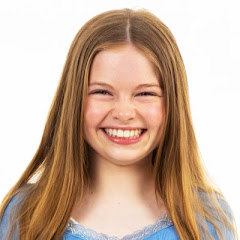
Salish (born 2009, now 16) rose to fame on her photographer-father Jordan's channel doing gymnastics challenges and stunts. She won Nickelodeon's Favorite Female Creator in 2025 and launched a skincare brand at Sephora whose mall pop-up drew 30,000+ people. She's secured a Netflix deal for 2026. Girls love her because she's essentially a peer. They grew up watching her.
The content is wholesome. But parents should think about the bigger picture.
The child fame question. Salish has been a public figure since age 10. As she's become more famous, the content has shifted from "kid doing gymnastics with dad" to a commercial enterprise with major brand deals and product lines.
The consumption pipeline. Her skincare brand specifically targets kids as young as 8 and is sold at Sephora, which carries significant "aspirational" weight for tweens. When your daughter's favorite YouTuber launches a beauty brand, the line between entertainment and advertising disappears.
This isn't a "block this" situation. Salish seems like a good kid and the content itself is fine. But it's a conversation starter about how influencer culture works and what it means when the person entertaining you is also selling to you.
MeganPlays and Leah Ashe
Both focus on Roblox games that specifically appeal to girls: fashion and dress-up games like Dress To Impress, virtual world creation, and social interaction content. Read our parent review of Dress To Impress for the game's peer-voting and spending considerations. Both channels are generally clean and kid-friendly. Not as consistently excellent as the top tier, but not concerning either.


Quick comparison: girls' channels at a glance
| Channel | Safety | Brain rot | Shorts | Ages | Verdict |
|---|---|---|---|---|---|
| Moriah Elizabeth | 91/100 | None | 2% | 9+ | Approve |
| ItsFunneh | 55/100 | Low | 13% | 9+ | Approve |
| LDShadowLady | 82/100 | Low | 0% | 9+ | Approve |
| CookieSwirlC | 43/100 | Low | 28% | 9-10 | Approve |
| Aphmau | 56/100 | Low-medium | 46% | 9+ | Approve |
| Salish Matter | 55/100 | Low | 27% | 9+ | Discuss |
| MeganPlays | 45/100 | Medium | 17% | 9+ | Approve |
| Emma Chamberlain | 71/100 | Low | 0% | 13+ | Approve |
| Brooklyn & Bailey | 53/100 | Low | 74% | 13+ | Approve |
| Alix Earle | 40/100 | Medium | 55% | 15+ | Discuss |
Ages 13-15: The beauty pipeline and its alternatives
This is where the YouTube landscape for girls gets complicated. The content itself is rarely "inappropriate" in the traditional sense. There's no violence, no explicit language, no scary imagery. The concern is subtler and arguably more pervasive: a relentless focus on appearance, consumption, and the idea that your worth is connected to how you look and what you own.
The beauty-consumption pipeline
Here's what the data shows about what's happening to girls in this age range:
- Gen Alpha is starting to use beauty products at age 8 — five years earlier than Gen Z did
- Gen Alpha spent approximately $14 billion on beauty products in 2024, up 70% from 2023
- The "Sephora Kids" phenomenon has become a cultural flashpoint, with 10-year-olds building skincare routines involving retinol and chemical exfoliants
YouTube beauty content isn't causing this alone, but it's a major accelerant.
Bypass the beauty pipeline.
VidCove lets you approve exactly which channels your daughter can watch. No algorithm pushing beauty content. No surprise recommendations.
Try VidCove Free →The dominant creators (be aware)
Should teen girls follow Alix Earle?
Alix Earle — ~12 million followers, growing YouTube presence
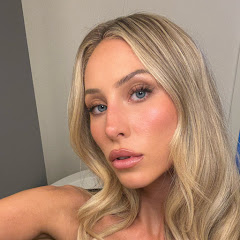
The current "it girl" of social media, known for "Get Ready With Me" (GRWM) videos where products she mentions instantly sell out. Named to TIME100 Creators in 2025.
She's generally relatable and authentic-seeming. Her content centers almost entirely on appearance, products, and consumption. She discusses her plastic surgery openly, normalizing it for teens. Her lifestyle content features parties, nightlife, and luxury experiences that are wildly unattainable for her audience.
The concern isn't that Alix Earle is a bad person. It's that the genre she dominates (GRWM, beauty hauls, lifestyle content) creates a constant drumbeat of "here's what you should look like, here's what you should buy, here's the life you should aspire to." Absorbed over hundreds of hours, that shapes how a 13-year-old girl thinks about herself.
The broader GRWM and beauty genre
Alix Earle is the most visible figure, but the genre is massive. Dozens of creators produce daily "Get Ready With Me" content that's essentially a 15-minute infomercial for beauty products wrapped in relatable personality. Common Sense Media has flagged that many popular beauty vloggers on YouTube feature mature themes, profanity, and intense consumerism.
The filter culture problem is real. These videos increasingly use face-altering technology and filters that create literally unattainable beauty standards. Your daughter is comparing herself to a digitally modified image.
The healthy alternatives
Emma Chamberlain — ~12 million subscribers

The creator who pioneered the "relatable, messy girl" YouTube aesthetic. Now 24, she's evolved into a high-fashion figure (Louis Vuitton ambassador, Met Gala host for Vogue) while maintaining her self-deprecating humor.
What makes Emma positive: she's openly discussed anxiety and her use of Lexapro, normalizing mental health conversations. Her content emphasizes authenticity over perfection. Her editing style (jump cuts, unpolished moments, direct-to-camera honesty) showed that you don't have to be perfect to be interesting.
The caveat: her evolution into the luxury fashion world means her lifestyle has become increasingly unattainable, even as her personality remains relatable. Her posting frequency has also declined. But as a role model for teen girls, she's one of the better options.
Brooklyn and Bailey (McKnight twins)
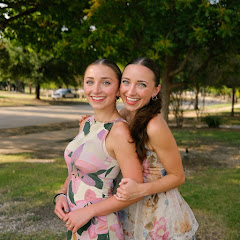
Lifestyle vlogs, college content, fashion. They grew up on YouTube via their mother's Cute Girls Hairstyles channel. Clean, family-friendly content with a "big sister" energy. Good role models overall. Occasionally criticized for projecting an unrealistically perfect life, but that's minor in the context of teen girl YouTube.
What are comfort creators?
Comfort creators (various)
This is the healthiest trend in teen girl YouTube right now. Creators like Nathaly Cuevas, Fernanda Ramirez, Zhirelle, and Nicole Laeno produce day-in-the-life vlogs, school routines, study sessions, and "aesthetic" content that feels like hanging out with a friend or older sister.
The appeal is low-pressure. Nobody's trying to sell you anything. The vibe is cozy rather than aspirational, and the content normalizes ordinary life rather than extraordinary consumption. If your daughter gravitates toward comfort creators over beauty influencers, she's found the healthier corner of the platform.
The conversation to have with your daughter
The challenge with girls' YouTube isn't usually that the content is "inappropriate." It's that the cumulative effect of hours of beauty and lifestyle content shapes how girls think about themselves and their value.
Here are the conversations that matter:
"This person is selling you something." When your daughter's favorite creator does a "Get Ready With Me" featuring 12 products, that's not spontaneous sharing. It's advertising. Many of those products are sponsored, even when disclosures are buried. Help your daughter develop a critical eye for when entertainment becomes a commercial.
"Filters aren't reality." The gap between what beauty creators look like on camera and what they look like in person is significant and intentional. Showing your daughter behind-the-scenes or "no filter" content (from creators who share both) can help build this awareness.
"You don't need a skincare routine at 10." If your daughter is watching Salish Matter or Alix Earle and asking for Sephora trips, that's the pipeline working as designed. Dermatologists consistently say children don't need, and can be harmed by, the active ingredients in many trending skincare products.
"What does this make you feel?" The simplest and most powerful question. If watching YouTube consistently makes your daughter feel worse about herself, that's all the information you need, regardless of whether the content seems "safe."
The bottom line
Girls' YouTube at ages 9-12 is surprisingly good. Moriah Elizabeth, ItsFunneh, and LDShadowLady are wonderful channels. Aphmau is making gaming welcoming for girls. Even the Salish Matter phenomenon, while worth discussing, isn't harmful.
At 13-15, the landscape shifts toward beauty and lifestyle content where the risks are more subtle but arguably more damaging to long-term self-image. The best defense is media literacy: help your daughter understand when she's being entertained versus when she's being sold to.
Want to check any YouTube channel instantly? Try our free YouTube Channel Grader to get a detailed safety and quality assessment.
Curate what your daughter watches
VidCove lets you pick the specific channels she can access, bypassing the algorithm entirely.
Start Your Free Trial →Frequently asked questions
Is Aphmau safe for kids?
Yes, generally. Aphmau is family-friendly and suitable for ages 6+. Her storyline-driven Minecraft content is engaging and doesn't involve profanity or major controversies. Some newer episodes use clickbait titles and occasional horror themes that may be intense for very young viewers, but overall she's a positive influence on girls' gaming.
Are beauty influencers harmful to girls?
Not inherently, but the cumulative effect can be. Beauty content that focuses on consumption and appearance shapes how girls think about themselves. The concern is especially acute when influencers like Alix Earle normalize plastic surgery, present unattainable lifestyles, and push products through sponsored content designed to look organic.
What are comfort creators?
Comfort creators produce content designed to feel cozy rather than aspirational. Think day-in-the-life vlogs, study sessions, school routines, or "aesthetic" content that normalizes ordinary life. Creators like Nathaly Cuevas and Fernanda Ramirez excel at this. Their appeal is low-pressure, with no sales pitch or performance of perfection.
Should my daughter use Sephora products?
Dermatologists say no for children under 12. Gen Alpha is starting skincare routines involving retinol and chemical exfoliants at ages 8-10, but these ingredients can damage young skin. If your daughter wants to use Sephora products, work with a dermatologist on an age-appropriate routine.
Part of our series on What Your Kids Are Really Watching on YouTube in 2025. Also see: YouTube Channels for Boys 9-15 | Brain Rot Explained | 10 Channels to Encourage