Is Kids Fun Science (Kids Fun Science) Safe for Kids? Safety Score: A
@kidsfunscience · 35K subscribers · Graded September 26, 2026 · Based on 100 recent videos
@kidsfunscience · 35K subscribers · Graded September 26, 2026 · Based on 100 recent videos
This is a safe and educational channel. I would let my own child watch this, especially if they are interested in science experiments.
Best for ages 6-12 years. Not recommended under age 5. Acceptable for 5-14 years.
The experiments and explanations are best suited for children who can follow instructions and understand basic scientific concepts, typically starting around age 6.
| Dimension | Score | Headline |
|---|---|---|
| Content Appropriateness | 25/25 | Content is appropriate for children, focusing on safe science experiments. |
| Shorts & Dopamine Factor | 23/25 | Low Shorts ratio, favoring longer-form educational content. |
| Age Clarity | 20/25 | Content is clearly aimed at elementary and middle school children. |
| Educational Value | 24/25 | Strong educational value, teaching fundamental science principles. |
Content is appropriate for children, focusing on safe science experiments.
The channel consistently presents safe, hands-on science experiments without any concerning themes. Videos like "How Many Hammer Hits to Knock a Potato Off a Stick?" explicitly mention being a 'safer version of a common science project,' indicating a focus on child safety.
Low Shorts ratio, favoring longer-form educational content.
Only 7% of recent uploads are Shorts, with 93% being longer-form videos. This indicates a focus on delivering more substantial content rather than quick, attention-grabbing clips designed for endless scrolling.
Content is clearly aimed at elementary and middle school children.
The experiments are simple enough for elementary school children to understand and often participate in, while the scientific explanations are suitable for middle schoolers. The channel's descriptions frequently state 'Made for parents and teachers,' suggesting a target audience that includes supervised younger children and independent older children.
Strong educational value, teaching fundamental science principles.
The channel actively teaches physics and chemistry concepts through engaging experiments. Videos like "Extract Your Own DNA at Home with Household Items" and "DIY PVC Balloon bugle. (Sound vibrations experiment)" provide clear demonstrations of scientific principles using readily available materials.
This channel focuses on demonstrating science experiments using common household items. It aims to make scientific concepts accessible and engaging for children, often providing clear explanations of the principles at play. The content is presented in a straightforward, instructional manner.
Parents should know that this channel offers practical, hands-on science experiments that children can often replicate at home with supervision. The channel emphasizes safety and uses simple language to explain scientific phenomena, making it a good resource for supplementing science education.
This is a safe and educational channel. I would let my own child watch this, especially if they are interested in science experiments.
Watch the videos with your child and encourage them to try the experiments at home together, as many use common household items.
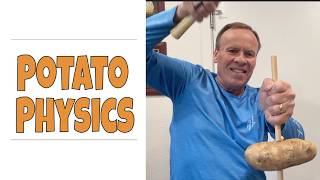 How Many Hammer Hits to Knock a Potato Off a Stick?
— Positive
How Many Hammer Hits to Knock a Potato Off a Stick?
— Positive
This video explicitly mentions being a 'safer version of a common science project,' highlighting the channel's commitment to child safety in experiments.
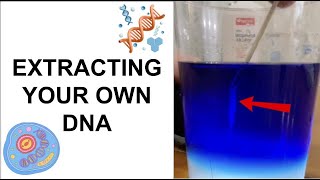 Extract Your Own DNA at Home with Household Items
— Positive
Extract Your Own DNA at Home with Household Items
— Positive
This video demonstrates a complex biological concept using simple, accessible materials, offering high educational value for older children.
 Music Inside Your Head? Testing the Viral Singing Lollipop!
— Neutral
Music Inside Your Head? Testing the Viral Singing Lollipop!
— Neutral
This video features a product review of a novelty item, which is less about a traditional experiment but still explores a scientific curiosity.
 DIY Constellation Projector | Turn Any Room Into A Planetarium
— Positive
DIY Constellation Projector | Turn Any Room Into A Planetarium
— Positive
This video provides clear instructions for a creative, educational project that teaches about astronomy and can be easily replicated at home.
VidCove's Channel Safety Grader analyzes the 100 most recent videos on Kids Fun Science (Kids Fun Science) using Google Gemini, scoring four independent dimensions on a 0–25 scale:
Kids Fun Science (Kids Fun Science)'s Shorts ratio in this sample is 7% — roughly 7 of the 100 videos sampled were Shorts. Reports are regenerated when channel content changes materially or after 180 days have passed.
VidCove lets you approve every channel before your child sees it. No algorithm. No Shorts. No recommendations. Just the channels you trust. Free 7-day trial — no credit card required.