What your kids are really watching on YouTube in 2026
YouTube isn't just a video platform for kids anymore. It's their TV, their social life, and increasingly, their babysitter. This guide breaks down what's actually on their screens.
Last updated: April 2026
YouTube isn't just a video platform for kids anymore. It's their TV, their social life, and increasingly, their babysitter. Over 90% of U.S. teens use YouTube regularly, and more than half of kids under 12 watch it every day. Tweens average over 5 hours of screen time daily. Teens clock nearly 9.
As a parent of two young kids, I wanted to understand what's actually on their screens, not what YouTube says is on their screens. So I went deep. I watched the channels. I read the research. I tracked the controversies.
What I found was a platform that hosts some of the most brilliant educational content ever created alongside a growing tide of what kids themselves call "brain rot." These are low-effort, dopamine-farming videos designed to keep young eyes glued to screens as long as possible.
This guide is the result. It's organized by age range and gender, because what a 9-year-old boy watches is radically different from what a 14-year-old girl watches. For each channel, I'm giving you the honest truth: the good, the bad, and the ones you should probably block.
The numbers you need to know
Before we get into specific channels, some context on just how dominant YouTube has become in kids' lives:
- 51% of kids 12 and under watch YouTube every single day (up from 43% in 2020), per Pew Research
- 75% of teens 13-17 use it daily, with 20% saying they're on it "almost constantly"
- Tweens average 5 hours 33 minutes of entertainment screen time per day (Common Sense Media)
- Teens average 8 hours 39 minutes (that's a full workday plus overtime)
- In March 2026, a California jury found YouTube legally liable for designing its platform to be addictive to children
Boys and girls watch very different things. Research from Roy Morgan (surveying 1,100+ kids aged 6-13) shows stark gender splits: 67% of boys watch gaming content vs. 39% of girls. Girls prefer animals (44% vs. 25%), music (41% vs. 27%), fashion (31% vs. 5%), and DIY/crafts (25% vs. 11%).
This means boys and girls are essentially using two different YouTubes, and the risks they face are different too.
Quick navigation
Boys 9-12: Minecraft, mayhem, and MrBeast
The YouTube landscape for younger boys is dominated by gaming channels and high-energy challenge creators. Here's who they're watching and whether you should be worried.
The ones worth knowing about
MrBeast (Jimmy Donaldson) — 473 million subscribers

The undisputed king of YouTube. Extravagant challenges, massive giveaways, and philanthropy stunts. He's won the Nickelodeon Kids' Choice Award for Favorite Male Creator four years running. Content is generally clean, no explicit language, but promotes intense materialism and uses psychological engagement tactics designed to be as addictive as possible.
The controversies matter. A former collaborator faced allegations involving minors. Resurfaced videos showed racist and homophobic language from his teen years. Beast Games contestants filed a class-action lawsuit alleging mistreatment. The Children's Advertising Review Unit found his channel violated children's advertising guidelines by running misleading sweepstakes pressuring kids to buy his chocolate bars.
Parent verdict: High production, entertaining, but the materialism and engagement manipulation are real concerns. Not the worst thing your kid watches, but worth a conversation about.
Preston (23.6M subs) and Unspeakable (19.2M subs)

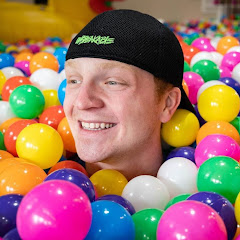
Minecraft, Roblox, and physical challenges. Both are among the safer options. High energy and loud, but mostly wholesome. Heavy merchandise promotion but no major controversies. Think of them as the "mac and cheese" of YouTube: not gourmet, not harmful.
DanTDM (29.2M subs)
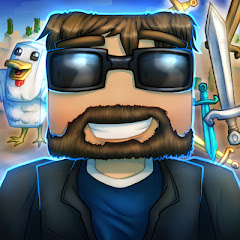
A British gaming veteran covering Minecraft, Roblox, and Pokémon. One of the most consistently family-friendly major gaming channels on the platform. Rare mild language (usually bleeped). Some scarier game content like Five Nights at Freddy's may frighten younger viewers in this range.
SSundee (24M subs)
Among Us and Minecraft with a clean group of friends. Daily uploads and PG-rated content. One of the safer gaming options with no major controversies.
The ones to watch carefully
Dream (33M subs)

Famous for Minecraft speedruns. Mostly clean on the main channel, but the broader Dream SMP community can lead kids to less appropriate content from collaborating creators. He was caught cheating on Minecraft speedruns, initially denied it, then admitted it. Main channel is fine; monitor what adjacent content they discover.
Flamingo (14.4M subs)
Roblox comedy involving trolling, memes, and admin pranks. He specifically created this channel as a cleaner alternative to his original channel, which was edgier. Current content is mostly clean but chaotic and involves trolling. Fine for the older end of this range.
The one to block
SSSniperwolf (35M subs, declining)

Reaction videos and TikTok compilations featuring uncensored profanity and extremely low-effort content. She literally repackages other people's TikToks. More importantly: she doxxed fellow creator JacksFilms by showing up at his home and broadcasting the location; she's been accused of racism and body-shaming; the FTC connected her to deceptive microtransaction practices targeting children. Not appropriate for this age group.
Quick comparison: boys' channels at a glance
| Channel | Safety | Brain rot | Shorts | Ages | Verdict |
|---|---|---|---|---|---|
| DanTDM | 47/100 | Low | 12% | 10+ | Approve |
| SSundee | 66/100 | Low | 0% | 9+ | Approve |
| Preston | 70/100 | Low-medium | 1% | 9+ | Approve |
| Unspeakable | 50/100 | Medium | 34% | 9+ | Approve |
| Dude Perfect | 52/100 | Low | 59% | 9+ | Approve |
| MrBeast | 30/100 | Medium | 69% | 10+ | Monitor |
| Dream | 60/100 | Low-medium | 56% | 10+ | Monitor |
| Flamingo | 52/100 | Medium-high | 0% | 11+ | Monitor |
| SSSniperwolf | 53/100 | Maximum | 0% | — | Block |
| IShowSpeed | 26/100 | High | 39% | — | Discourage |
| Kai Cenat | 56/100 | Medium-high | 0% | 14+ | Discuss |
| Adin Ross | 10/100 | Maximum | 59% | — | Block |
Read the full deep dive: Best (and Worst) YouTube Channels for Boys 9-15
Girls 9-12: Roleplay, crafts, and gymnastic feats
The YouTube diet for tween girls centers on story-driven gaming, creative content, and aspirational peer figures. Several channels in this space are genuinely excellent.
The great ones
Moriah Elizabeth (10.6M subs)

Arts and crafts, famous for her "Squishy Makeover" series. No profanity, no controversy, no aggressive merchandising. Content actively encourages creativity and hands-on projects. If every kids' channel operated like Moriah Elizabeth, parents would sleep much better at night. One of the safest channels on YouTube.
ItsFunneh (11.9M subs)

Roblox and Minecraft with her four siblings ("The KREW"). She has never cursed in a video. An excellent role model showing girls that gaming is for everyone. Highly recommended.
LDShadowLady (7M subs)

Minecraft gameplay emphasizing colorful creative builds. Never swears. One of the most reliably wholesome gaming channels on the platform.
The massive ones worth understanding
Aphmau (23M subs, 25.7 billion views)

The dominant female Minecraft creator. Immersive roleplay storylines combining friendship, romance, adventure, and humor. In a Minecraft YouTube world dominated by men, Aphmau generates more views than anyone. Generally family-friendly and suitable for ages 6+, though newer videos use clickbait-y titles and some horror themes may be intense for younger viewers.
Salish Matter / Jordan Matter (30.8M subs on Jordan's channel)

Salish (now 16) rose to fame on her photographer-father's channel doing gymnastics challenges. Won Nickelodeon's Favorite Female Creator in 2025 and launched a skincare brand at Sephora. Girls love her because she's a peer they grew up watching. Content is wholesome, but the broader picture (a child who's been a public figure since age 10, now selling skincare to 8-year-olds) raises valid questions about the commercialization of childhood.
Read the full deep dive: Best (and Worst) YouTube Channels for Girls 9-15
Boys 13-15: Streaming culture and a troubling pipeline
This is where parents need to pay the closest attention. The shift from ages 9-12 to 13-15 for boys is dramatic. Gaming channels give way to livestream culture, and the content gets significantly edgier.
There's a clear escalation pipeline. Kids progress from MrBeast and Dude Perfect (mostly harmless) to IShowSpeed and Kai Cenat (chaotic, occasionally misogynistic) to Adin Ross and Andrew Tate-adjacent content (actively harmful ideology plus gambling). The YouTube algorithm facilitates this because each step increases engagement metrics.
Creators like IShowSpeed (told a female gamer to "do your husband's dishes," accidentally exposed himself on stream, cursed at children) and Adin Ross (streams gambling content, regularly hosts Andrew Tate) are not fringe figures. They have tens of millions of subscribers. Your son probably knows who they are.

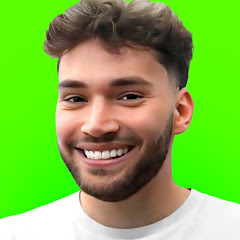
The bright spot: Dude Perfect (60M subs) remains one of the few genuinely family-friendly channels teen boys actually respect.

Read the full deep dive: Best (and Worst) YouTube Channels for Boys 9-15
Girls 13-15: GRWM culture and beauty pipelines
Teen girls' YouTube is dominated by beauty and lifestyle content, and the numbers are staggering. Gen Alpha spent approximately $14 billion on beauty products in 2024, up 70% from 2023. Kids are starting to use beauty products at age 8, five years earlier than Gen Z did.
Creators like Alix Earle (named to TIME100 Creators in 2025) have immense commercial power. Products she mentions sell out within hours. She's relatable and generally positive, but her content centers heavily on appearance and consumption. She discusses plastic surgery openly, normalizing it for teens.
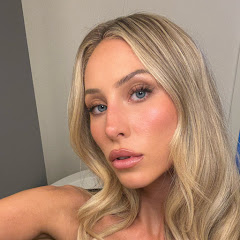
The "comfort creator" trend is a healthier counter-movement: smaller YouTubers who produce day-in-the-life vlogs and "aesthetic" content that feels like hanging out with an older sister rather than shopping with an influencer.
Emma Chamberlain (12M subs) remains one of the more positive influences. She promotes authenticity and is open about mental health. Her evolution from relatable teen to Louis Vuitton ambassador is worth discussing with teens as a lesson in how creator culture really works.

Read the full deep dive: Best (and Worst) YouTube Channels for Girls 9-15
The brain rot epidemic is real
"Brain rot" was Oxford's 2024 Word of the Year (usage up 230%). The content it describes — Skibidi Toilet (47M subscribers, 19 billion views), Italian brainrot, sludge content — dominates kids' screens. A Kaspersky report found 65% of Gen Alpha children with smartphones watch Skibidi Toilet regularly.
This isn't harmless. A meta-analysis of 71 studies found a moderate link between heavy short-form video use and reduced attention spans. Teachers report kids who can't sit through a 10-minute lesson. Children in research studies expressed their own worry about wasting time on brain rot.
And now AI-generated "slop" targeting children has emerged. Garbled, meaningless videos are produced at industrial scale. Over 200 experts have signed letters urging YouTube to address it.
Read the full explainer: Brain Rot Explained — A Parent's Guide
Channels parents should actually encourage
The good news: YouTube also hosts some of the best educational content ever created, and several channels manage to be cool enough that kids will watch voluntarily.
Mark Rober (30M+ subs)

The gold standard for kids' YouTube. A former NASA/JPL engineer whose spectacular builds (world's largest Nerf gun, glitter bomb porch pirate traps, squirrel-proof bird feeders) make engineering feel like a superpower. He co-launched #TeamTrees and #TeamSeas, raising over $40 million for environmental causes. If you recommend one channel, recommend this one.
Kurzgesagt (23M subs) produces beautifully animated science explainers. OverSimplified (9M subs) makes history engaging. Crash Course, Veritasium, Vsauce, TED-Ed, and SmarterEveryDay round out a lineup that proves educational content doesn't have to be boring.
Read the full list: 10 YouTube Channels Parents Should Encourage
Is YouTube safe for kids?
YouTube itself isn't inherently unsafe, but the platform was designed to maximize engagement and time-on-screen, particularly for younger viewers. The California court ruling found YouTube deliberately structured its recommendation algorithm to keep children watching longer, regardless of content quality. The real question isn't whether YouTube is safe, but whether specific channels and content are appropriate for your child's age and maturity level.
What to actually do about this
YouTube isn't going away. Banning it entirely is unrealistic for kids in this age range, and a California jury just found that YouTube designed it that way on purpose.
But not all screen time is equal. An hour of Mark Rober and an hour of Skibidi Toilet have fundamentally different effects on developing brains. Here's what the research says actually works:
- Know what they're watching. Not in a surveillance way, but in a "hey, what's the deal with this IShowSpeed guy?" way. This guide is step one.
- Curate, don't just restrict. Instead of only blocking bad channels, actively populate their feed with good ones. Kids are more likely to watch quality content when it's presented as an option rather than a punishment.
- Co-watch occasionally. Research from Ofcom shows kids who watch with parents develop better media literacy and self-regulation.
- Treat brain rot like candy. Fine in small amounts. Not as a daily diet.
- Watch for the pipelines. For boys: entertaining chaos leads to misogyny and gambling. For girls: relatable lifestyle leads to beauty obsession and consumption-as-identity. These escalation patterns are algorithmic, not accidental.
Want to check if a channel is right for your kid?
Try our free YouTube Channel Grader. Paste any channel URL and get an instant safety and quality assessment. We've pre-loaded all the channels from this guide.
Want to skip the algorithm entirely?
VidCove lets you pick exactly which YouTube channels your kids can access. No algorithm, no Shorts, no surprises. You curate. They watch. Everyone's happy.
FAQ
How much YouTube do kids watch per day?
Tweens average 5 hours 33 minutes of entertainment screen time per day. Teens average 8 hours 39 minutes. YouTube is the single largest portion of this for most kids. The California jury found that YouTube has deliberately engineered its platform to extend these numbers as much as possible.
Is YouTube safe for kids under 12?
YouTube isn't categorically safe or unsafe. Channels like DanTDM, Moriah Elizabeth, and Mark Rober are excellent and appropriate. Channels like SSSniperwolf and Adin Ross are explicitly harmful. The key is curating which channels your child can access rather than relying on the algorithm to make good choices.
How do I control what my child watches on YouTube?
YouTube's built-in parental controls (Restricted Mode, Family Link) offer basic filtering, but they're blunt instruments. A more effective approach is to actively subscribe your child to quality channels they enjoy, use YouTube Kids for younger children (ages 4-8), and have regular conversations about what they're watching. For complete control, services like VidCove let you select exactly which channels your child can access.
What is brain rot on YouTube?
"Brain rot" refers to low-effort, short-form video content designed purely to maximize watch time without providing value or entertainment. Skibidi Toilet is the canonical example: a series of 1-2 minute videos featuring nothing but crude animations and memes. Kids watch them back-to-back for hours. Research shows a correlation between heavy consumption of this content and reduced attention spans. Teachers report that students who consume brain rot regularly struggle to focus on longer-form learning.
This guide is based on research conducted in early 2025 using data from Pew Research Center, Common Sense Media, Roy Morgan, Ofcom, and extensive channel-by-channel analysis. Subscriber counts are approximate and change daily. We'll update this guide quarterly as the landscape evolves.