Is NASA Video Safe for Kids? Safety Score: B+
@nasagovvideo · 1.1M subscribers · Graded November 7, 2026 · Based on 100 recent uploads
This channel is safe and highly educational for children who have a genuine interest in science and space, particularly those in middle school and older.
Best for ages 10-16+. Not recommended under age 6. Acceptable for 8+.
While some visuals may appeal to younger children, the depth and technical nature of most content are best suited for older elementary school children and teenagers.
| Dimension | Score | Headline |
|---|---|---|
| Content Appropriateness | 25/25 | Content is consistently appropriate, factual, and free of concerning elements. |
| Shorts & Dopamine Factor | 24/25 | Minimal Shorts content, primarily long-form educational videos. |
| Age Clarity | 15/25 | Content is generally complex, best suited for older children and adults. |
| Educational Value | 23/25 | High educational value, focusing on space, science, and engineering. |
Content is consistently appropriate, factual, and free of concerning elements.
All video titles and descriptions indicate content focused on space, science, and NASA operations, such as 'NASA Astronauts Discuss Life in Space With WESH-TV and KUSA-TV' and 'NASA's Role in the Martian Moons Exploration (MMX) Mission'. There are no signs of age-inappropriate themes, violence, or manipulative tactics.
Minimal Shorts content, primarily long-form educational videos.
Only 2% of recent uploads are Shorts, indicating a focus on substantive long-form content. The channel's frequent uploads are typically lengthy interviews, presentations, or technical discussions, not designed for rapid, addictive scrolling.
Content is generally complex, best suited for older children and adults.
Many videos, like 'NASA ARSET: Water Surface Extent from OPERA, Part 2/2' and 'OSBP Annual Town Hall 2026', feature technical discussions and presentations. While some content, such as astronaut interviews, might appeal to younger children, the overall complexity is geared towards an older audience.
High educational value, focusing on space, science, and engineering.
The channel provides direct educational content on topics like flood mapping in 'NASA ARSET: Flood Mapping with NISAR, Part 1/2' and aerosol monitoring in 'NASA ARSET: NOAA’s TEMPO Aerosol Products for Hourly Aerosol Monitoring over North America, Part 1/2'. Astronaut interviews also offer insights into life in space and scientific work.
This is the official YouTube channel for NASA, featuring videos related to space exploration, scientific research, and agency operations. It provides factual information directly from the source, covering a wide range of topics from astronaut interviews to technical briefings.
Parents should know that this channel offers authentic, high-quality content about space and science, but much of it is presented at a technical level that may be too complex for younger children. It is a reliable source for factual information.
This channel is safe and highly educational for children who have a genuine interest in science and space, particularly those in middle school and older.
Watch a few videos with your child first to gauge their interest and comprehension level before allowing independent viewing, especially for the more technical presentations.
 NASA Astronauts Discuss Life in Space With WESH-TV and KUSA-TV – Friday, November 6, 2026
— Positive
This video offers a direct interview with astronauts, providing insights into life in space that can be engaging for many ages.
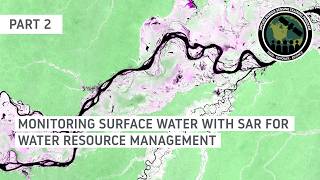 NASA ARSET: Water Surface Extent from OPERA, Part 2/2
— Neutral
This is an example of the highly technical content on the channel, which is educational but likely too advanced for younger viewers.
 NASA's Role in the Martian Moons Exploration (MMX) Mission (October 15, 2026)
— Positive
This video discusses a specific space mission, offering concrete information about ongoing scientific exploration.
 Experience an RS-25 Engine Test with Audio Descriptions
— Positive
This video provides an immersive experience of an engine test, enhanced with audio descriptions for accessibility, which can be very engaging.
 Astronaut Discusses Life in Space with St. Jude Children's Research Hospital– September 28, 2026
— Positive
This interview is particularly notable for its engagement with children, making complex topics more accessible and inspiring.
VidCove uses AI to assess titles and descriptions from up to 20 recent videos, along with upload patterns such as Shorts across up to 100 recent uploads. It can miss context or make mistakes. Use the report to help you decide what is right for your child.
This report uses titles and descriptions from up to 20 recent videos on NASA Video and upload patterns from 100 recent uploads.
The grader scores four dimensions on a 0–25 scale, then combines them into a weighted score out of 100: content appropriateness (40%), Shorts patterns (25%), age clarity (25%), and educational value (10%). That overall score determines the letter grade.
NASA Video's Shorts ratio in this sample is 2% — roughly 2 of the 100 videos sampled were Shorts. Reports are regenerated when channel content changes materially or after 180 days have passed.
VidCove lets you approve every channel before your child sees it. No algorithm. No Shorts. No recommendations. Just the channels you trust. Free 7-day trial.