Is NativLang Safe for Kids? Safety Score: A-
@nativlang · 1.1M subscribers · Graded October 7, 2026 · Based on 100 recent videos
@nativlang · 1.1M subscribers · Graded October 7, 2026 · Based on 100 recent videos
I would let my older child or teenager watch this channel, especially if they show an interest in language, history, or anthropology, as it provides solid educational content without any concerning elements.
Best for ages 12-18+. Not recommended under age 10. Acceptable for 10+.
The content's complexity and academic nature make it most suitable for pre-teens and teenagers, with younger children likely finding it difficult to follow.
| Dimension | Score | Headline |
|---|---|---|
| Content Appropriateness | 25/25 | Content is academic and free from inappropriate themes or manipulative tactics. |
| Shorts & Dopamine Factor | 24/25 | Primarily long-form, educational content with infrequent uploads, not designed for addiction. |
| Age Clarity | 18/25 | Targets older children and teens with complex linguistic topics, not younger audiences. |
| Educational Value | 25/25 | High educational value, teaching complex linguistic concepts and cultural history. |
Content is academic and free from inappropriate themes or manipulative tactics.
The channel focuses on linguistics and writing systems, as seen in videos like Was Cuneiform Originally Sumerian? and Multilingual glyphs: an old way of writing two languages at the same time. There is no evidence of violence, sexual content, scary imagery, or misleading clickbait in the titles or descriptions provided.
Primarily long-form, educational content with infrequent uploads, not designed for addiction.
With only 1 Short out of 100 recent uploads (1.0%), this channel prioritizes in-depth long-form videos. The upload frequency is approximately once a month, which does not suggest a design to maximize addictive scrolling behavior.
Targets older children and teens with complex linguistic topics, not younger audiences.
The content, discussing topics like the history of Chinese pronunciation or the complexity of cuneiform, is academic and requires a certain level of abstract thinking and vocabulary. While not explicitly labeled for age, the subject matter and presentation style are clearly aimed at a more mature audience than young children.
High educational value, teaching complex linguistic concepts and cultural history.
Videos like How the Han dynasty changed Chinese pronunciation and The history of looking up Chinese characters in dictionaries offer detailed explanations of linguistic evolution and cultural practices. The channel consistently provides well-researched information on language, writing systems, and cultural history, often citing sources.
This channel explores the history and science of languages and writing systems from around the world. It uses animated explanations to make complex linguistic concepts accessible. The content is suitable for individuals interested in the academic study of language.
Parents should understand that this channel offers high-quality, academic content on linguistics and cultural history, which is intellectually stimulating but may be too advanced for younger children. It is not designed for casual viewing but for those with a genuine interest in the subject matter.
I would let my older child or teenager watch this channel, especially if they show an interest in language, history, or anthropology, as it provides solid educational content without any concerning elements.
Watch a video or two with your child first to gauge their interest and comprehension level before allowing unsupervised viewing.
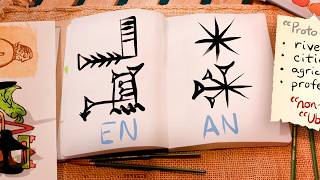 Was Cuneiform Originally Sumerian? Linguistic doubts about the world's oldest writing
— Positive
Was Cuneiform Originally Sumerian? Linguistic doubts about the world's oldest writing
— Positive
This video exemplifies the channel's in-depth exploration of historical linguistics and ancient writing systems, presenting complex information clearly.
 How the Han dynasty changed Chinese pronunciation
— Positive
How the Han dynasty changed Chinese pronunciation
— Positive
This video provides a detailed look into the evolution of a major language, demonstrating the channel's commitment to educational content on language history.
 Why colonizing Southern Africa didn't break its linguistic diversity; did it just add to it?
— Positive
Why colonizing Southern Africa didn't break its linguistic diversity; did it just add to it?
— Positive
This video addresses the impact of historical events on linguistic diversity, offering a nuanced and educational perspective on cultural and historical topics.
 Bird and cetacean grammar, and series conclusion – Can Animals Grammar? #8
— Positive
Bird and cetacean grammar, and series conclusion – Can Animals Grammar? #8
— Positive
This video, part of a series, explores animal communication, broadening the scope of linguistic inquiry in an accessible way.
VidCove's Channel Safety Grader analyzes the 100 most recent videos on NativLang using Google Gemini, scoring four independent dimensions on a 0–25 scale:
NativLang's Shorts ratio in this sample is 1% — roughly 1 of the 100 videos sampled were Shorts. Reports are regenerated when channel content changes materially or after 180 days have passed.
VidCove lets you approve every channel before your child sees it. No algorithm. No Shorts. No recommendations. Just the channels you trust. Free 7-day trial — no credit card required.