Is Roblox Safe for Kids in 2026? A Parent's Honest Look
A parent's honest look at the platform 144 million kids use every day.
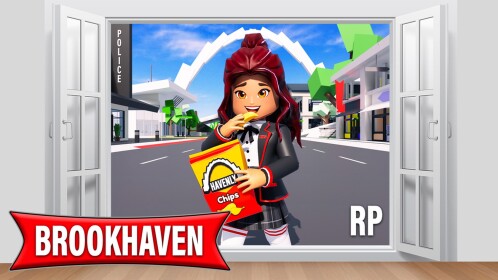
My kids haven't asked for Roblox yet. But their friends play it. Their classmates talk about it. And I know it's coming.
So I did what I always do when a new platform shows up in our house: I went deep. I read the lawsuits. I read the Hindenburg report. I played some of the popular Roblox games parents should know myself. And I came away with a more complicated picture than most parenting articles give you.
Here's what I found.
The scale is hard to wrap your head around
Roblox hit 144.5 million daily active users at the end of 2025. That's more than Netflix has subscribers. About 40% of those users are under 13, another 16% are between 13 and 16. The average kid plays roughly 2.4 to 2.8 hours per day, with weekend sessions stretching to 3 hours for the 9-12 age group.
The money part surprised me most. Roblox pulled in $4.9 billion in revenue in 2025, almost entirely from kids buying Robux (the platform's virtual currency). Only about 1 in 80 players actually buys Robux, but those who do spend an average of $23.97 per month. That's more than most streaming subscriptions.
And the currency is designed to be confusing. 800 Robux costs $9.99, but translating in-game prices back to real dollars requires math that trips up adults, let alone a 10-year-old.
The safety problems are real and documented
I'm not going to sugarcoat this part.
At least 36 people have been arrested since 2018 in the US for abducting or sexually abusing children they groomed through Roblox. In 2024 alone, Roblox submitted 24,500 reports of suspected child exploitation to the National Center for Missing and Exploited Children, nearly double the year before.
By the numbers
36+ arrests since 2018. 24,500 child exploitation reports in 2024 alone. 146 federal lawsuits consolidated. 7 state attorney general actions. An active SEC investigation.
The pattern is consistent: predators create accounts posing as kids, befriend targets through in-game interaction, offer Robux as grooming currency, then move conversations to Discord or Snapchat where there's less oversight. In 2025, a Roblox programmer was arrested on 238 felony child sex abuse charges.
User-created sexually explicit content (called "condo games") keeps popping back up faster than Roblox can remove it. As one Common Sense Media analyst put it: every time they take down a couple of games, 12 to 20 get created within minutes.
Then there's the Hindenburg Research report from October 2024, which alleged Roblox inflated its daily user count by 25-42% by counting bots and alternate accounts, and that safety monitoring was outsourced to workers paid $12 per day. Roblox called it misleading. The stock dropped 9% and recovered. But the allegations haven't gone away.
As of April 2026, 146 federal lawsuits have been consolidated into a single case. At least seven state attorneys general have filed their own lawsuits. The SEC confirmed an enforcement investigation. Brazil reclassified Roblox as 18+. Egypt banned it outright.
The gambling mechanics are worse than I expected
This is the part that actually made me angry.
A University of Sydney study gave kids $20 debit cards and watched what happened in Roblox games. Twelve of 22 children spent it on in-game purchases. The kids themselves described randomized reward systems as "literally just child gambling." They called in-game currencies "scary" and "confusing."
Games like Pet Simulator 99 feature legendary pet drop rates below 0.05%. That's functionally identical to slot machine odds. Third-party gambling sites let children as young as 14 gamble using Robux. One investigation found a 16-year-old who had spent the equivalent of £175,000.
A former Roblox game developer testified about being instructed to design gacha wheels that "would go over the Super rare reward and just barely miss it consistently." That's the near-miss effect, and it's a documented gambling addiction mechanism being deployed against children.
One fewer platform to worry about.
VidCove locks your child's YouTube to only the channels you approve. No algorithm, no Shorts, no rabbit holes.
Try VidCove Free →But there's real value here too
I don't want to be the parent who just says no to everything. Because Roblox also offers things I genuinely think are good.
Roblox Studio teaches Lua programming, which is a real language used in professional game development. Multiple studies show it works: a Thailand study found Roblox-based learners scored significantly higher than those using conventional methods. EdWeek reported a 30% boost in computational thinking scores after one semester.
There are curated educational experiences from real institutions. The Museum of Science in Boston built a Mars rover exploration game using actual NASA data. Sesame Street's Mecha Builders has 70 million visits. Google built an online safety education game. These are legitimate.
And for kids who get into building, the creative upside is real. Roblox is closer to "learning to make games" than "playing games" for kids who engage with the creation tools.
What Roblox has actually done about it
Credit where it's due: Roblox has made meaningful changes since late 2024.
The biggest is mandatory facial age estimation, rolled out globally by January 2026. It sorts users into age bands and limits communication to peers in similar age groups. Chat is disabled by default for all children under 9. Children under 13 can't receive private messages without parental approval. A new "Trusted Connections" system only allows full chat between verified, real-world-connected accounts.
The parental controls dashboard is actually more granular than what YouTube or most other platforms offer. You can:
- Set content maturity levels
- Set monthly spending limits
- Set daily screen time limits
- View and block specific friends
- See what games your kid plays most
But here's the honest assessment: only 61% of parents believe these controls are sufficient to prevent predator contact, and 29% discovered content or interactions they thought controls should have blocked. The platform has roughly 3,000 moderators for 150+ million daily users.
How this connects to what I already worry about with YouTube
What struck me most about the Roblox research is how familiar the parental anxiety feels. It's the same anxiety I had with YouTube.
Both platforms are massive, user-generated content ecosystems where the good stuff and the dangerous stuff live side by side. Both have algorithms (or discovery mechanics) that can push kids toward content you'd never approve. Both have real educational value if you're intentional about it. And both put an enormous burden on parents to configure safety tools that most families never touch.
The difference is that YouTube's danger is mostly passive. Your kid watches something inappropriate. Roblox's danger is interactive. Your kid talks to someone inappropriate.
I built VidCove because I wanted to solve the YouTube side of this equation. I pick the channels, my kids watch videos from those channels, and there's no algorithm, no Shorts, no rabbit holes. It doesn't solve Roblox. But it means I have one fewer platform to worry about.
For Roblox specifically, I'd say: the parental controls exist and they're better than most. Use them. Set up the dashboard. Disable chat for young kids. Set spending limits. And have regular conversations about who your kids are talking to online.
My actual recommendation
Under 9
Not worth the risk. Minecraft in single-player or on a private server is a better fit. The educational value doesn't outweigh the safety concerns at this age.
Ages 9–12
If you allow it, treat it like a managed experience. Set up every parental control. Review connections regularly. Know which games your kid plays.
Ages 13+
Risks shift to gambling mechanics, spending, and social toxicity. Encourage Roblox Studio creation alongside consumption. The value lives in making, not just playing.
And across all ages: no single parental control replaces an ongoing relationship where your kid feels comfortable telling you when something feels wrong.
Take YouTube off the worry list.
VidCove gives your kids a safe, parent-approved YouTube experience. Only the channels you trust, with no algorithm deciding what plays next.
Try VidCove Free →Not sure if a channel is safe? Try our free YouTube Channel Safety Checker — paste any channel URL and get an instant safety report.
Part of our series on keeping kids safe online. Also see: How to Block YouTube Shorts for Kids | Best YouTube Channels for Kids by Age